The Cool Science Behind How Your HVAC System Works
Ever wondered how your HVAC system keeps your home comfortable year-round? From scorching summer heat to bone-chilling winter nights, your HVAC system is quietly working away, ensuring every room feels just right. But beyond the cozy temperatures and controlled air lies some fascinating science.
This blog will walk you through the fundamental principles behind heating, ventilation, and air conditioning (HVAC) systems, breaking down their components and explaining how they work together. Whether you’re a homeowner curious about your system or just someone who loves learning how things tick, this post has you covered.
What Is an HVAC System?
HVAC stands for Heating, Ventilation, and Air Conditioning. It’s an integrated system that regulates temperature, humidity, and airflow within buildings. Whether it’s a modern central heating system or a split AC unit, HVAC technology uses a combination of physics, engineering, and chemistry to condition the air and maintain comfortable indoor environments.
The Goal of HVAC
The primary purpose of an HVAC system is simple:
- Heating: Ensuring warmth during colder months.
- Cooling: Providing cool air during hot weather.
- Ventilation: Ensuring fresh air circulates and removing contaminants.
But how it achieves these goals is where the cool (and hot) science comes into play.
Breaking Down the Components of an HVAC System
Your HVAC system consists of several key components, each performing a vital role in the overall process. Here’s an overview:
1. Thermostat
The thermostat is the control center of your HVAC system. It measures the indoor temperature and allows you to set your preferred conditions. When the room gets too hot or cold, the thermostat activates your heating or cooling system to bring the temperature back in line with your settings.
How It Works: Thermostats often rely on sensors to detect ambient temperature. Smart thermostats go a step further, using Wi-Fi and algorithms to optimize energy efficiency.
2. Furnace (for Heating)
The furnace is the powerhouse behind your heating system. It generates heat, which is then distributed via ducts or radiators throughout your home. Furnaces typically use gas, oil, or electricity as the energy source.
The Science: Furnaces work by igniting fuel or using electrical resistance to produce heat. This heat is passed through a heat exchanger, which warms up the air before it’s pushed out by a blower.
3. Air Conditioner (for Cooling)
Air conditioning units are responsible for cooling your space. While the furnace creates heat, an air conditioner removes it from your indoor environment.
The Science: At the core of the cooling process is the refrigeration cycle. A refrigerant moves through the system, absorbing heat from the indoor air and releasing it outdoors. Here are the steps:
- The refrigerant starts as a cool, low-pressure gas.
- It enters a compressor, which increases its pressure and temperature.
- The hot refrigerant gas passes through a condenser coil, releasing heat outside and transforming into a cool liquid.
- The refrigerant moves to an evaporator coil, where it absorbs heat from the indoor air, cooling it.
- The cycle repeats.
4. Ventilation System
Ventilation is key to maintaining air quality. This component brings in fresh outdoor air while removing stale indoor air, distributing both heated and cooled air to keep your home comfortable.
The Science: Ventilation systems often use fans, ducts, and filters to maintain consistent airflow. They work to prevent indoor air from becoming stuffy or contaminated by pollutants.
5. Ductwork
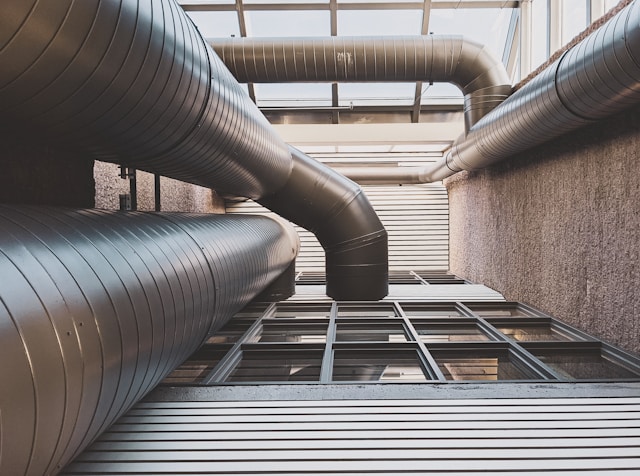
Ducts are the unsung heroes of your HVAC system, delivering air to every corner of your home. They ensure the airflow is consistent and efficient.
Interesting Fact: Leaky or poorly insulated ducts can lead to significant energy loss, cutting the system’s efficiency by up to 30%.
6. Filters
HVAC filters play a critical role in air quality by capturing dust, allergens, and pollutants from the indoor air. Regular maintenance ensures your system doesn’t get clogged and continues to operate efficiently.
Pro Tip: Replace or clean your filters every one to three months to maximize performance.
The Science of Heating and Cooling
Now that we’ve discussed the components, it’s time to break down the physics and thermodynamics behind heating and cooling.
Heating Principles
The science behind heating involves energy transfer. When fuel burns in your furnace or electricity flows through heating coils, energy is released. This energy is transferred to the air via a heat exchanger, increasing its temperature before being circulated throughout your home.
An interesting phenomenon here is convection, the process where warm air rises and cool air sinks. HVAC systems take advantage of this natural airflow to ensure even heating.
Cooling Principles
Cooling is all about heat removal. The process of evaporation is at the heart of air conditioning science. When a liquid refrigerant absorbs heat, it turns into a gas, effectively extracting heat from the air. This heat is then expelled outdoors via the condenser unit.
The cooling process also depends on latent heat. Removing moisture from the air (dehumidification) reduces the humidity, making the environment feel cooler even if the temperature remains constant.
Efficiency Matters
Modern HVAC systems are designed with energy efficiency in mind. Advanced technologies like variable refrigerant flow (VRF) systems and thermal zoning help optimize performance while minimizing energy waste, reducing costs for homeowners.
Why Proper Maintenance Is Essential
Understanding how your HVAC system works is one thing; maintaining it is another. Regular upkeep ensures your system runs safely and efficiently.
Tips for HVAC Maintenance
- Change filters regularly to keep your air clean and your system functioning at peak capacity.
- Inspect ducts and seals to prevent air leaks that reduce efficiency and increase costs.
- Schedule annual tune-ups for your equipment to catch small issues before they become costly repairs.
- Keep outdoor units clean to avoid blockages that could compromise the cooling or heating process.
Proper maintenance doesn’t just extend the lifespan of your system; it also keeps your energy bills in check and ensures your home remains comfortable in all weather conditions.
Key Takeaways for HVAC Enthusiasts
Your HVAC system is a marvel of engineering, combining the principles of thermodynamics, mechanics, and electrical systems to create a comfortable indoor climate. From heating to cooling and ventilation, every component plays a crucial role in keeping your home livable through the seasons.
By understanding how it works, you can better appreciate the importance of regular maintenance and make informed decisions when it’s time for a repair, upgrade, or replacement.
Curious about what system upgrades could mean for your home? Start exploring energy-efficient options today to future-proof your HVAC system and improve your overall comfort!
Leave a Reply
You must be logged in to post a comment.