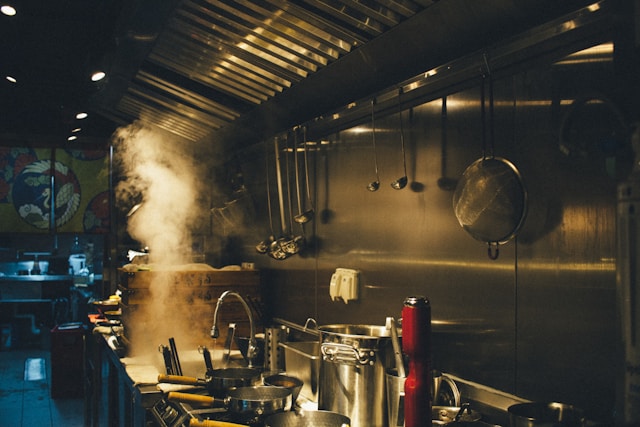
Kitchen Exhaust Cleaning Trends in Singapore 2026
Singapore boasts a dynamic food and beverage industry that operates under some of the highest hygiene standards in the world. Behind the scenes of every bustling restaurant kitchen lies a critical safety component that requires constant attention. Heavy grease buildup poses severe fire hazards, making regular Kitchen Exhaust Cleaning an absolute necessity for daily operations. As we progress through 2026, the maintenance landscape for commercial kitchens is shifting dramatically. Facility managers and restaurant owners now face a new wave of technological innovations and regulatory frameworks. This article explores the emerging trends reshaping kitchen maintenance across the island. You will discover how advanced automation, stricter compliance rules, and green cleaning solutions define the future of culinary safety.
Technological Advancements in Kitchen Exhaust Cleaning
For decades, maintaining commercial ventilation systems required intense manual labor and extended kitchen downtime. Workers had to physically crawl through narrow, greasy ductwork, which presented numerous safety hazards and often yielded inconsistent results. In 2026, cutting-edge technology completely transforms how service providers tackle this dirty job. Robotics and automation now play a central role in ensuring deep, thorough sanitization. Technicians deploy agile robotic crawlers equipped with high-definition cameras and heavy-duty scrubbing brushes directly into the exhaust networks.
These remotely operated machines navigate complex duct layouts with incredible precision. They reach deep corners and vertical shafts that human cleaners simply cannot access safely. By removing the human element from the most dangerous parts of the job, service companies drastically reduce workplace accidents. Furthermore, these automated systems cut down cleaning time significantly. Restaurants experience shorter operational disruptions, allowing them to resume serving customers much faster.
Smarter Kitchen Exhaust Cleaning Technology
Beyond physical robotics, data integration brings unparalleled transparency to the maintenance process. Service providers now utilize smart reporting software to document their work in real-time. Before the cleaning begins, robotic cameras capture the exact state of the ductwork, highlighting areas with severe grease accumulation. Once the scrubbing concludes, the machine records a final video to prove that the system meets all safety standards.
This visual evidence gives restaurant owners absolute peace of mind. You no longer have to guess whether the technicians actually cleaned the hidden sections of your ventilation system. Additionally, smart sensors installed inside the hoods continuously monitor grease vapor levels during daily cooking operations. When the buildup reaches a hazardous threshold, the system automatically alerts the restaurant manager. This transition from blind scheduling to smart monitoring represents a massive leap forward for the industry.
Stricter Regulations Dictating Kitchen Exhaust Cleaning
The Singapore Civil Defence Force (SCDF) and the National Environment Agency (NEA) actively enforce strict fire safety and hygiene rules. A single spark in a grease-choked duct can trigger a catastrophic fire, endangering lives and destroying entire shopping malls. Because high-density commercial buildings house dozens of restaurants, a fire in one unit threatens hundreds of other businesses. To mitigate these risks, regulatory bodies have implemented incredibly rigorous oversight protocols in 2026.
Inspectors now demand comprehensive digital logs detailing your exact maintenance history. A simple paper receipt from a cleaning contractor no longer satisfies these modern regulatory audits. You must provide timestamped photographic evidence proving that a certified professional cleared your entire exhaust system down to bare metal. Failing to produce these detailed digital records results in massive fines or immediate operational suspensions.
Compliance Automation for Kitchen Exhaust Cleaning
To help food and beverage operators navigate these dense legal requirements, cleaning companies now offer automated compliance dashboards. When you hire a professional service, they upload all your service records, video inspections, and legal certificates to a secure cloud portal. If a government inspector visits your kitchen unexpectedly, you can access your entire compliance history from your smartphone in seconds.
This digital centralization eliminates the panic of searching for lost physical paperwork. It also helps franchise owners monitor multiple restaurant locations simultaneously from a single corporate office. The software actively tracks your regulatory deadlines, sending automatic reminders weeks before your next mandatory service date. By automating the compliance tracking process, businesses guarantee they never miss a crucial maintenance window.
The Push for Sustainable Kitchen Exhaust Cleaning
Singapore continues to champion environmental sustainability through the ambitious Green Plan 2030. This national push for ecological responsibility heavily influences how commercial kitchens handle their waste management. Traditional degreasing methods relied heavily on harsh, toxic chemicals that washed straight into the municipal water supply. These aggressive solvents posed severe health risks to the cleaning technicians and damaged the local marine ecosystem.
In 2026, the demand for green, eco-friendly maintenance practices completely dominates the market. Restaurant owners actively seek out contractors who prioritize environmental safety alongside fire prevention. Service providers have answered this call by completely overhauling their chemical inventories. They now utilize highly effective, biodegradable degreasers derived from natural plant enzymes.
Eco-Friendly Chemicals in Kitchen Exhaust Cleaning
These advanced bio-enzymatic cleaners break down stubborn grease molecules organically. Instead of melting the fat with toxic acids, the enzymes literally consume the organic waste. This process leaves the ductwork sparkling clean without releasing harmful fumes into the restaurant environment. Cooks and kitchen staff can return to their workstations immediately after the service without inhaling dangerous chemical residues.
Furthermore, modern contractors employ powerful water-recycling vacuum systems during the washing process. Instead of letting contaminated water flood the kitchen floor and flow into the public drains, the equipment captures the liquid instantly. The machine filters out the solid grease particles for safe, responsible disposal at dedicated waste facilities. This massive reduction in chemical runoff and water waste aligns perfectly with Singapore’s strict environmental goals.
The Rise of Preventive Kitchen Exhaust Cleaning Maintenance
Historically, restaurant managers treated ventilation maintenance as a reactive chore. They waited until the kitchen filled with smoke or a health inspector issued a warning before calling a contractor. This dangerous “run-to-failure” mindset frequently caused sudden equipment breakdowns and massive emergency repair bills. Today, successful food and beverage operators treat their exhaust systems as vital business assets that require continuous, proactive care.
The industry has shifted entirely toward preventive maintenance strategies. Instead of waiting for a problem to occur, managers use data to predict exactly when a cleaning is necessary. Restaurants that engage in heavy wok-cooking or deep-frying naturally generate more airborne grease than a cafe serving sandwiches. Preventive strategies customize the service schedule based on the exact menu, cooking volume, and operational hours of the specific venue.
Data-Driven Kitchen Exhaust Cleaning Schedules
By analyzing data from the smart sensors installed in the canopy hoods, contractors create highly optimized service calendars. If a restaurant experiences a massive surge in customers during a holiday season, the sensors detect the accelerated grease buildup immediately. The cleaning company then adjusts the schedule, performing a targeted wash before the grease becomes a severe fire hazard.
This dynamic, data-driven approach saves business owners a substantial amount of money. You stop paying for unnecessary cleanings during slow months while ensuring maximum safety during peak operational periods. Your exhaust fan motors last significantly longer because they no longer have to strain against heavy grease blockages. Ultimately, preventive maintenance transforms an unpredictable operational expense into a highly controlled, strategic investment.
Secure Your Kitchen Operations Today
The food and beverage landscape in Singapore remains highly competitive and heavily regulated. Operating a successful commercial kitchen requires absolute dedication to safety, hygiene, and environmental responsibility. As technological innovations and strict compliance rules reshape the industry, ignoring your ventilation system puts your entire business at extreme risk. A catastrophic grease fire or a sudden regulatory suspension can destroy years of hard work overnight.
You must adapt to these modern standards to protect your staff, your customers, and your bottom line. Take proactive steps to align your operations with the latest industry developments. Evaluate your current maintenance protocols and seek out service providers who utilize advanced robotics, green chemicals, and digital compliance tracking. Stay ahead of these crucial Kitchen Exhaust Cleaning trends to ensure your restaurant remains safe, compliant, and ready for long-term success.
Leave a Reply
You must be logged in to post a comment.