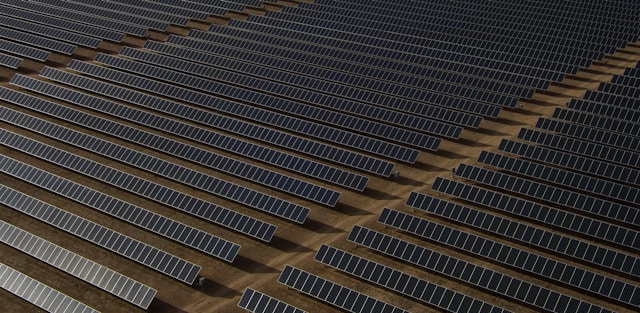
How a Solar Panel for Factory Use Boosts ROI
For any business, major capital expenditures are judged on one key metric: return on investment (ROI). Factory owners and managers are constantly evaluating opportunities to cut costs, improve efficiency, and enhance profitability. When it comes to energy—one of the largest operational expenses in manufacturing—installing a solar panel for factory use presents a powerful and multifaceted investment case. This isn’t just an environmental initiative; it is a strategic financial move that generates significant, measurable returns for years to come.
A commercial solar installation is a power-generating asset that transforms an underutilized factory roof into a source of revenue and savings. The ROI from a solar project is not delivered through a single channel but through a combination of direct cost savings, lucrative financial incentives, increased asset value, and enhanced brand equity. This article will break down the key financial drivers that explain how a solar panel for factory operations boosts ROI and why it has become one of the most reliable long-term investments for the industrial sector.
Drastically Reducing Energy Costs to Drive ROI
The most direct and significant return from a solar panel for factory use comes from the immediate and sustained reduction in electricity costs. Factories are energy-intensive operations, and a large portion of this consumption occurs during daylight hours, which is precisely when a solar system produces the most power.
Immediate Impact of a Solar Panel for Factory Operations
By generating your own clean electricity on-site, you directly offset the amount of power you need to purchase from the utility grid. This has several profound impacts on your bottom line:
- Lower Monthly Bills: The energy produced by your solar array is consumed in real-time by your machinery, lighting, and HVAC systems. This leads to an immediate and substantial drop in your monthly utility bills. For large factories, this can amount to tens or even hundreds of thousands of dollars in savings each year.
- Peak Demand Shaving: Utilities often impose high charges during “peak demand” periods when electricity usage is at its highest. A solar panel system’s peak production coincides with these expensive afternoon hours. By generating your own power during this time, you can “shave” your peak demand from the grid, avoiding the highest rates and further reducing costs.
- Hedge Against Rate Hikes: Utility electricity rates are volatile and have historically trended upward. A solar investment effectively locks in your energy costs for the 25- to 30-year lifespan of the system. While competitors face rising and unpredictable energy bills, your costs remain stable, providing a powerful long-term competitive advantage.
Maximizing ROI with Government Incentives
To accelerate the adoption of renewable energy, governments and utility companies offer significant financial incentives that drastically improve the ROI of a commercial solar project. These programs are designed to reduce the initial capital outlay and shorten the payback period.
Key Financial Incentives for a Solar Panel for Factory Installation
While incentives vary by region, they typically include powerful tax benefits that directly boost your return.
- Investment Tax Credit (ITC): Many governments offer a generous tax credit that allows businesses to deduct a significant percentage of the total cost of the solar system from their federal taxes. This is a dollar-for-dollar reduction in your tax liability, providing a massive immediate return.
- Accelerated Depreciation (MACRS): In the U.S., businesses can take advantage of the Modified Accelerated Cost-Recovery System (MACRS). This allows you to depreciate a large portion of the solar system’s value in the first few years of operation. This creates a substantial tax shield, improving cash flow and accelerating the project’s ROI.
- State and Local Rebates: Many states and local utility providers offer direct cash rebates or grants for installing a solar panel system. These incentives further reduce the net upfront cost, making the investment even more attractive.
By strategically combining these incentives, a factory can often recoup a large portion of its initial investment within the first year, making the financial case for a solar panel for factory use exceptionally strong.
Increasing Property Value with a Power-Generating Asset
A commercial property equipped with a solar energy system is more valuable than one without. A solar installation is a permanent upgrade that enhances the property’s financial performance and appeal to future buyers or tenants.
How a Solar Panel for Factory Use Adds Value
Think of a solar array as a long-term capital improvement that generates income.
- Lower Operating Costs for Future Occupants: A building with its own source of clean energy has significantly lower operating expenses. This is a major selling point for potential buyers or tenants, who are willing to pay a premium for a property with reduced, predictable utility costs.
- A Source of Additional Revenue: In some markets, a factory can sell excess solar energy back to the grid through programs like net metering, creating an additional revenue stream. This turns the building from a simple cost center into an income-generating asset.
- Demonstrated Modern Infrastructure: A property with a solar panel for factory infrastructure is seen as modern, efficient, and well-maintained. This perception can command higher sale prices and rental rates compared to older, less efficient buildings. Studies have consistently shown that commercial properties with renewable energy systems and sustainability certifications have higher asset values.
Boosting Brand Equity and Corporate Reputation
While harder to quantify in a simple ROI calculation, the “green” credentials that come with a solar installation provide significant and valuable returns in the form of enhanced brand equity and corporate reputation.
The Tangible Business Benefits of Sustainability
In today’s market, sustainability is a powerful driver of consumer and client behavior.
- Competitive Differentiation: A visible commitment to clean energy sets your brand apart from the competition. It tells a compelling story about your company’s values and can be a deciding factor for clients choosing between suppliers.
- Attracting and Retaining Talent: Top talent, especially from younger generations, is increasingly drawn to employers with strong environmental, social, and governance (ESG) principles. A solar panel for factory is a clear signal that your company is a forward-thinking and responsible employer.
- Meeting Supply Chain Requirements: Many large corporations now have sustainability requirements for their supply chain partners. Having a solar-powered factory can help you win and retain contracts with these major clients, directly contributing to your revenue.
This enhanced reputation is an invaluable asset that strengthens customer loyalty, improves employee morale, and opens up new business opportunities—all of which contribute to your long-term ROI.
A High-Return Investment for the Modern Factory
When viewed through a purely financial lens, installing a solar panel for factory operations is one of the most compelling investments a business can make today. It delivers a powerful, multi-layered return on investment by drastically cutting operational costs, leveraging valuable government incentives, increasing the physical value of your property, and enhancing your brand’s reputation.
This is not a speculative venture; it is an investment in a proven, reliable technology that provides predictable financial returns for decades. By taking control of your energy future, you can protect your business from market volatility and position it for long-term growth and profitability. Explore how a solar investment can boost your factory’s ROI and secure a more sustainable and profitable future.
Leave a Reply
You must be logged in to post a comment.