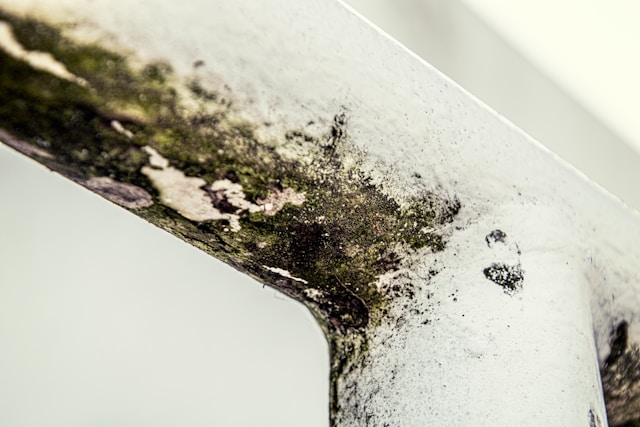
Healthcare Air Safety Standards Singapore Mold Remediation
Air safety is not a side issue in healthcare. It affects infection control, patient recovery, staff wellbeing, and public trust. In Singapore, Mold Remediation is an important part of healthcare air safety because mold growth can harm indoor air quality, trigger health risks, and undermine the performance of clinical spaces. For healthcare facility managers, clinic operators, hospital administrators, and building professionals, the goal is not only to remove visible mold. It is to protect sensitive environments where air quality standards can directly affect care delivery. This article explains why air safety standards matter in healthcare settings, how mold affects patient safety, where risks commonly appear, and what best practices support effective remediation and prevention.
Why Air Safety Standards Matter in Healthcare Settings
Healthcare spaces are different from ordinary commercial buildings. Patients, staff, visitors, and contractors share the same indoor environment, but not everyone has the same level of vulnerability. Some patients are elderly. Some are immunocompromised. Others may have respiratory issues, open wounds, or post-surgical sensitivity.
That makes indoor air quality a serious operational issue. A minor air problem in an office may become a major risk in a clinic, ward, treatment room, or diagnostic area.
Healthcare environments demand tighter control
Hospitals, specialist centers, dental clinics, outpatient facilities, and eldercare settings all depend on controlled indoor conditions. Airflow, humidity, filtration, and cleanliness must support safe treatment and stable operations.
When these controls break down, the result can be more than discomfort. Poor air quality may affect infection prevention efforts, disrupt clinical work, and increase the chance of complaints or incidents.
Mold Remediation supports healthcare air safety
In healthcare buildings, mold is not just a maintenance defect. It is a sign that moisture and indoor environmental control have failed somewhere. That failure can affect walls, ceilings, ventilation systems, finishes, and hidden building cavities.
A proper Mold Remediation strategy helps restore safe indoor conditions by addressing both contamination and the moisture source behind it. Without that full approach, the same problem can return and continue to affect the facility.
How Mold Affects Indoor Air Quality and Patient Safety
Mold releases spores and fragments into the air. In enclosed indoor settings, those particles can spread through occupied areas or through building systems if the issue is not contained properly.
In healthcare facilities, that creates a higher level of concern because airborne contaminants can affect people who are already medically vulnerable.
Mold Remediation reduces exposure risk
The purpose of Mold Remediation is not only to remove visible staining. It is to reduce airborne contamination, limit spread, and restore the environment to a safe condition. In healthcare spaces, that work must be more disciplined because the consequences of poor handling can be serious.
Improper cleaning can disturb mold and push spores into nearby rooms. That is why mold response in a healthcare building should be planned carefully and carried out with containment in mind.
Sensitive patients face greater risk
Exposure to mold may cause irritation, worsen asthma, trigger allergic reactions, or affect respiratory comfort. In higher-risk populations, the impact can be more serious. This includes oncology patients, elderly patients, newborns, and people with weakened immune systems.
Even when the mold problem seems small, the context matters. A small affected area near a general storage room is not the same as a moisture issue near a patient treatment zone or air handling system.
Mold can affect staff and operations too
Patient safety comes first, but staff are also affected by indoor air quality. Ongoing mold exposure can lead to complaints about odors, discomfort, headaches, or respiratory irritation. This can reduce confidence in the facility and create operational stress.
If indoor air concerns continue, healthcare providers may also face room closures, service disruption, and increased maintenance costs.
Common Risk Areas for Mold in Healthcare Facilities
Mold does not appear randomly. It usually grows where moisture persists and airflow is poor. In healthcare buildings, some areas are more exposed than others because of water use, humidity, condensation, or hidden service lines.
Mold Remediation often starts in wet service areas
Bathrooms, utility rooms, cleaning stores, treatment wash areas, and pantry spaces are common risk points. Frequent water use, plumbing connections, and poor drying conditions can create ideal environments for mold growth.
In these areas, stains on silicone, ceilings, wall corners, and cabinet backs may be early warning signs. Fast review matters because surface growth may point to a bigger moisture issue behind finishes.
Ceiling voids and concealed spaces are common trouble spots
Many healthcare buildings contain extensive services above ceilings and behind walls. Chilled water pipes, drainage lines, ductwork, and insulation can all become sources of hidden moisture.
When leaks or condensation occur in these concealed spaces, mold may spread for weeks before it becomes visible below. By then, the contamination may be wider than expected.
HVAC systems can spread the problem
Air-conditioning systems are critical in Singapore healthcare facilities. But they can also contribute to mold risk when humidity is not controlled well or when condensation forms around ductwork, coils, drain pans, or insulation.
If mold is linked to HVAC components, the concern becomes larger because airborne particles may circulate through occupied zones. In these cases, Mold Remediation must be coordinated with ventilation review and system cleaning where needed.
Building envelope leaks can trigger recurring issues
Water ingress from roofs, façades, windows, or poorly sealed penetrations can create recurring mold problems in consultation rooms, waiting areas, wards, and offices. A facility may treat the visible damage repeatedly without solving the leak behind it.
That pattern raises both cost and risk. Persistent recurrence usually means the root cause has not been addressed properly.
Mold Remediation Best Practices in Healthcare Settings
Healthcare mold response must be controlled, documented, and risk-based. A casual maintenance approach is rarely enough. The right process depends on location, severity, patient exposure risk, and whether building systems are involved.
Mold Remediation must begin with source control
No remediation will last if moisture remains unresolved. The first step is always to identify and stop the water source. That may involve plumbing repairs, condensation control, waterproofing correction, or HVAC adjustments.
Without source control, the facility may spend time and money on cleaning while the contamination quietly returns.
Mold Remediation in healthcare requires containment
Containment is especially important in clinical environments. If moldy materials are disturbed without isolation, spores can move into nearby treatment rooms, corridors, or air pathways.
Depending on the situation, containment measures may include:
- Physical barriers around the affected area
- Restricted access during work
- Controlled removal of contaminated materials
- Use of negative air management where appropriate
- Careful handling and disposal procedures
The goal is to protect both active clinical areas and unaffected parts of the building.
Porous materials may need removal
Painted concrete may sometimes be cleaned if contamination is light and the substrate is sound. But porous materials such as drywall, ceiling tiles, insulation, and some wood-based finishes often need removal once mold growth is established.
In healthcare settings, it is safer to take a conservative approach where hygiene and air quality are critical. Cosmetic treatment alone is often not enough.
Verification should follow remediation
After remediation, the facility should confirm that the area is dry, clean, and safe for reoccupation. This may involve visual checks, moisture assessment, and review of the repaired condition.
Documentation matters. Healthcare operators should know what was affected, what was removed, what repairs were made, and how recurrence risk has been reduced.
Preventive Maintenance for Healthcare Air Safety
The best mold response is prevention. In a healthcare setting, preventive maintenance protects not only the building but also the continuity of care.
Mold Remediation risk drops with strong moisture control
Moisture management should be part of regular facilities planning. That includes checking for leaks, monitoring high-risk areas, maintaining sealants, and addressing small water issues before they spread.
A disciplined inspection routine helps teams catch warning signs early, such as peeling paint, musty odors, condensation, stained ceiling tiles, and damp corners.
HVAC maintenance supports Mold Remediation prevention
Air-conditioning performance is central to indoor air safety in Singapore. Poor airflow, blocked drain lines, dirty filters, and weak humidity control can all increase mold risk.
Preventive maintenance should cover:
- Drain pan and condensate line checks
- Coil and insulation condition
- Filter replacement
- Humidity performance review
- Air distribution in low-ventilation areas
When HVAC systems work properly, the building is better able to resist mold growth.
Staff reporting can prevent escalation
Facility teams should not be the only ones watching for mold risk. Housekeeping staff, nurses, clinic managers, and operations teams often notice signs first because they are in the space every day.
A simple reporting process helps small issues get reviewed quickly. That is often the difference between a minor localized repair and a larger contamination event.
Compliance, Governance, and Reputational Risk
Healthcare facilities operate under closer scrutiny than most buildings. Indoor environmental issues can quickly become governance concerns when patient welfare is involved.
Mold Remediation supports duty of care
Healthcare operators have a duty to provide environments that are safe and fit for treatment. If mold affects care spaces, waiting areas, or ventilation systems, the issue can raise questions about building oversight, maintenance quality, and risk management.
A documented Mold Remediation process shows that the organization has responded responsibly, investigated the cause, and acted to protect occupants.
Service disruption can be costly
Mold problems in healthcare spaces may force temporary closure of rooms, schedule changes, patient relocation, or delays in building use. This creates direct operational cost and can disrupt service delivery in ways that are hard to absorb.
In high-demand clinics and hospitals, even one affected area can have knock-on effects across appointments, staffing, and patient flow.
Reputational impact can spread quickly
Healthcare trust is hard to build and easy to damage. If patients or staff notice visible mold, musty odors, or repeated air quality issues, confidence in the facility can fall quickly. Complaints may escalate beyond maintenance teams and reach senior management, regulators, or the public.
That is why proactive indoor air management is not only a technical task. It is a brand protection issue as well.
Why Specialist Support Matters
Not every mold problem needs the same response. But in healthcare settings, specialist support is often the safest choice because the stakes are higher and the environment is more sensitive.
Mold Remediation specialists bring healthcare-specific control
Specialist providers understand how to assess contamination scope, protect nearby occupied areas, and work in a way that fits stricter hygiene expectations. They also know that remediation in a clinic or hospital cannot be approached like a routine office repair.
This experience matters when the affected zone is near treatment areas, critical equipment, or occupied patient spaces.
Investigation and remediation should work together
The strongest results come when assessment, source tracing, containment, remediation, and preventive recommendations are linked together. A fragmented response often solves only one part of the problem.
Specialist support helps healthcare operators move from repeated patching to a more durable solution.
Documentation helps facilities manage future risk
A specialist-led approach often includes clearer reporting, moisture findings, remediation records, and maintenance recommendations. That documentation supports internal governance and helps facilities teams plan next steps with confidence.
Take a Proactive Approach to Healthcare Air Safety
Healthcare air safety in Singapore depends on more than filtration and temperature control. It also depends on keeping indoor spaces dry, clean, and free from contamination that can affect patients, staff, and operations. Mold Remediation plays a key role in that effort by addressing one of the most common and overlooked threats to indoor environmental quality in healthcare buildings.
If you manage a hospital, clinic, medical center, or healthcare property, now is the time to review your indoor air and moisture control strategy. Act early, inspect carefully, and bring in specialist support when needed. Proactive indoor air and mold management can protect patient safety, reduce disruption, and help your facility maintain the standards people expect from healthcare environments.
Leave a Reply
You must be logged in to post a comment.