commercialkitchenexhaust.sg: Why Ducting Design Matters
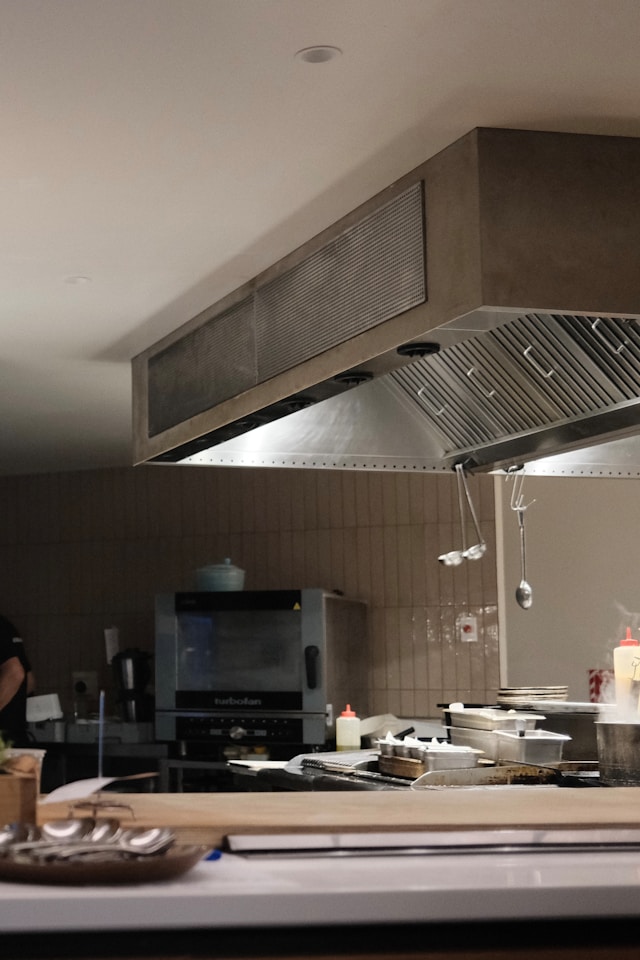
When planning a commercial kitchen, much of the focus is placed on the highly visible components: the gleaming stainless steel hoods and the powerful exhaust fans. While these are certainly critical, the unsung hero of a safe and effective ventilation system is the ducting. This network of channels, hidden within ceilings and walls, is the vital artery that carries heat, smoke, and grease-laden vapor away from the kitchen. At commercialkitchenexhaust.sg, we know that proper ducting design is not a detail to be overlooked; it is the cornerstone of the entire system’s performance, safety, and efficiency.
Many assume that ducting is just a simple matter of connecting the hood to the fan. This oversimplification is a dangerous and costly mistake. The design of your ductwork—its size, material, layout, and construction—directly impacts airflow, fire safety, energy consumption, and regulatory compliance. A poorly designed ducting system will render even the most expensive hood and fan combination ineffective. This article will illuminate why expert ducting design matters and how the meticulous engineering from commercialkitchenexhaust.sg ensures your kitchen’s ventilation system operates flawlessly.
The Physics of Airflow: How Ducting Design Impacts Performance with commercialkitchenexhaust.sg
The primary job of an exhaust system is to move air. The ductwork is the pathway for that air, and its design dictates how easily the fan can do its job. The key concept here is “static pressure.”
Understanding Static Pressure
Static pressure is the resistance to airflow within the duct system. The exhaust fan has to work to overcome this pressure to move the required volume of air (measured in CFM – Cubic Feet per Minute).
- The Impact of Bends and Turns: Every elbow, bend, or transition in the ductwork adds to the static pressure. A ducting layout with numerous sharp 90-degree bends creates significant resistance, forcing the fan to work much harder. A professional design by commercialkitchenexhaust.sg utilizes gradual, sweeping bends (45-degree angles where possible) to create a smoother path for the air, minimizing static pressure.
- Duct Sizing is Crucial: If the duct is too small for the required airflow, the air velocity increases dramatically. This creates high friction, skyrocketing the static pressure. The fan may be unable to overcome this resistance, leading to “air starvation” and poor exhaust performance. Conversely, if the duct is too large, the air velocity can drop too low, preventing it from effectively carrying grease particles, which then deposit inside the ducts.
The Consequences of Poor Airflow
When ducting design leads to high static pressure and poor airflow, the kitchen environment suffers directly.
- Ineffective Capture: The hood fails to capture all the smoke and heat, which spills out into the kitchen, creating an uncomfortable and unhealthy working environment for staff.
- Increased Energy Costs: The fan has to spin faster and consume more electricity to fight against the high resistance, leading to inflated utility bills.
- Excessive Noise: A fan straining against high static pressure generates significantly more noise, contributing to a stressful and loud kitchen atmosphere.
Fire Safety: The Critical Role of Ducting in Hazard Prevention, an expertise of commercialkitchenexhaust.sg
Commercial kitchen fires are a devastating and all-too-common reality. Grease buildup inside exhaust ductwork is a primary fuel source for these fires. Proper ducting design is, therefore, a critical fire prevention strategy.
Material and Construction Standards
Regulations from the Singapore Civil Defence Force (SCDF) are explicit about how exhaust ducts must be constructed.
- Correct Materials: Ducts must be made from either stainless steel or galvanized steel of a specific minimum thickness (gauge). Using unapproved materials like aluminum is a serious code violation and fire risk.
- Liquid-Tight Welded Seams: This is non-negotiable. All seams, joints, and penetrations in the ductwork must be continuously welded to be completely grease-tight. Screwed or gasketed joints will eventually leak. When hot grease seeps out of the ductwork and onto combustible materials like wood or ceiling tiles, it creates a hidden and extremely dangerous fire hazard. The skilled fabricators at commercialkitchenexhaust.sg ensure every weld is flawless.
Duct Routing and Clearances
The path the duct takes through the building is just as important as its construction.
- Maintaining Clearances: Kitchen exhaust ducts get extremely hot. SCDF mandates specific minimum clearances between the duct and any combustible materials (e.g., wood joists, drywall, electrical wiring). A professional design maps out a route that respects these clearances at every point.
- Fire-Rated Enclosures: When a duct must pass through a fire-rated wall or floor, it needs to be enclosed in a properly constructed fire-rated shaft. Failure to do so compromises the building’s fire separation and can allow a fire to spread rapidly between floors.
Designing for Maintenance: A Forward-Thinking Approach from commercialkitchenexhaust.sg
A system that cannot be easily cleaned will not be cleaned effectively. Over time, this guarantees dangerous grease accumulation. A smart ducting design anticipates the need for regular maintenance and makes it as easy as possible.
The Importance of Access Panels
The only way to thoroughly clean the inside of a duct is through physical access.
- Strategic Placement: An experienced designer from commercialkitchenexhaust.sg will strategically place access panels throughout the duct run. They should be located at every change of direction and at regular intervals on long, straight sections.
- Proper Sizing and Sealing: Access panels must be large enough for a cleaner to reach inside and must be sealed with high-temperature gaskets to prevent grease leaks. Without adequate access, cleaners can only reach a small portion of the duct, leaving hazardous deposits behind.
Duct Slope for Grease Drainage
While not always possible, designing the horizontal duct runs with a slight, continuous slope back towards the hood helps grease drain effectively. This reduces pooling of grease in low spots within the ductwork, minimizing fire risk and making cleaning more efficient.
Compliance and Beyond: Meeting Regulatory Standards
A professional ducting design ensures that your entire system is compliant with the complex web of regulations from agencies like SCDF and the NEA (National Environment Agency).
SCDF Compliance
Beyond fire safety construction, the design must account for the integration of the fire suppression system. The ducting layout must allow for the proper placement of suppression nozzles at the duct entry, ensuring the system can effectively extinguish a fire that starts inside the duct.
NEA Compliance
Ducting design also impacts environmental compliance. The final discharge point of the exhaust must be carefully considered to prevent smoke and odors from becoming a nuisance to neighbors. The design must also account for the integration of any required pollution control units (like electrostatic precipitators), ensuring there is adequate physical space and that their addition does not create excessive static pressure.
Conclusion
The ducting in your commercial kitchen is far more than a simple tube. It is a precisely engineered system that is fundamental to the safety of your staff, the efficiency of your operation, and the compliance of your business. Its design dictates whether your kitchen is a comfortable, productive space or a hot, smoky, and hazardous one.
Investing in expert ducting design from the outset is one of the smartest decisions a restaurateur can make. It prevents the costly and dangerous consequences of poor airflow, fire hazards, and regulatory violations. It ensures that your significant investment in hoods and fans can perform to its full potential, providing a clean and safe environment for years to come.
Don’t let a flawed design compromise your kitchen’s heart. Ensure the arteries of your ventilation system are engineered for peak performance and safety. Visit commercialkitchenexhaust.sg today to consult with our design experts and learn how a meticulously planned ducting system can make all the difference for your establishment.
Leave a Reply
You must be logged in to post a comment.