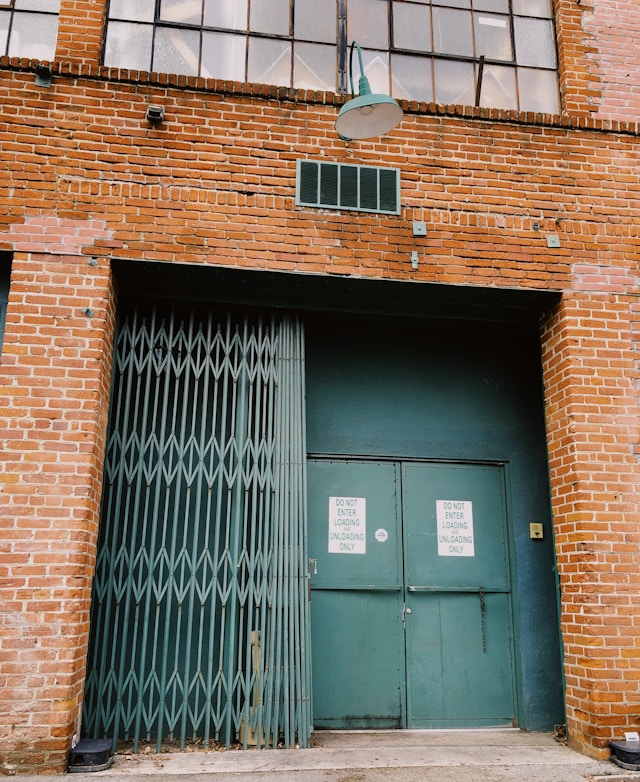
How to Choose the Right Industrial Door for Your Facility
Industrial doors play a pivotal role in the operations of facilities like warehouses, factories, and logistics centers. Beyond being entry and exit points, these doors ensure security, streamline workflow, and support environmental control. Choosing the right industrial door is a critical decision that can enhance your facility’s safety, efficiency, and overall productivity.
This guide will walk you through the key factors to consider when selecting an industrial door that suits your facility’s unique needs, discuss the different types of doors available, and provide practical tips for selecting a reliable supplier.
Understanding the Role of Industrial Doors
Before exploring how to choose the right door for your facility, it’s essential to understand their significance:
- Security
Industrial doors protect valuable equipment, supplies, and products. Reinforced materials and integrated locking mechanisms increase resistance to theft or unauthorized access.
- Operational Efficiency
High-speed doors reduce downtime and improve the flow of operations, especially in busy environments where goods need to move quickly.
- Environmental Control
Insulated industrial doors help maintain stable internal temperatures. This is particularly crucial for climate-sensitive operations like food storage or pharmaceutical production.
- Safety
Industrial doors with built-in safety features, such as sensors or emergency mechanisms, protect both employees and assets from harm.
Factors to Consider When Choosing an Industrial Door
Given the range of industrial doors available, your choice should align with your facility’s requirements. Below are the key factors to keep in mind:
1. Security Needs
Security should be a top priority when choosing an industrial door. Facilities storing expensive machinery or confidential products must consider heavy-duty options like steel roller shutters or sectional doors equipped with advanced locking systems.
- Tip: Evaluate whether your facility requires physical reinforcement, such as tamper-proof locks, or advanced access control systems like RFID monitoring.
2. Durability and Materials
Industrial doors must withstand harsh environments, heavy usage, and possible impacts from vehicles or equipment. Materials like galvanized steel, aluminum, and reinforced polymers ensure durability without compromising functionality.
- Tip: Consider the frequency of use. High-traffic areas need doors built to withstand frequent operation over time.
3. Insulation and Energy Efficiency
Energy management is a growing concern for businesses looking to cut costs and reduce their carbon footprint. Modern industrial doors with thermal insulation not only save energy but also protect goods from temperature fluctuations.
- Tip: Look for doors with high R-values (thermal resistance) for improved efficiency, especially for facilities with refrigeration or controlled environments.
4. Automation and Speed
For operations requiring rapid entry and exit, high-speed doors are an indispensable choice. Automated doors equipped with motion sensors or remote systems ensure faster workflows and reduced operational delays.
- Tip: Evaluate whether automation aligns with your facility’s workflow. Features like automated timers or smart integration with building management systems can further optimize efficiency.
5. Space Constraints
The available space at your facility impacts the kind of door you can install. For example, sectional doors slide along the ceiling, making them ideal for facilities with limited side space. Roller shutter doors, on the other hand, roll up tightly above the opening.
- Tip: Assess ceiling and wall clearances before selecting a design to ensure seamless installation and operation.
6. Compliance with Safety Standards
Industrial doors must meet local and international safety regulations, particularly in high-risk environments such as chemical plants or fire-prone facilities. Options like fire-rated doors or blast-resistant models ensure compliance while enhancing safety.
- Tip: Check industry standards, such as ISO certifications or local fire safety codes, to confirm the door meets required specifications.
7. Customization Options
Not all doors are one-size-fits-all. Businesses often require custom designs to cater to operational needs, branding, or specific industry requirements.
- Tip: Consider customization options for size, color schemes, or additional features (e.g., weather seals, reinforced hinges) to align with your facility’s goals and visuals.
Types of Industrial Doors and Their Applications
Different industrial doors serve different purposes. Here’s an overview of common door types to help you identify the best fit for your facility:
1. Roller Shutter Doors
These doors roll into a compact coil when opened, saving space. Made of steel or aluminum, they are suitable for high-security requirements.
-
- Applications: Warehouses, garages, storage facilities.
- Benefits: Space-efficient design, durability, secure access.
2. Sectional Overhead Doors
These doors operate on tracks that run parallel to the ceiling, providing excellent sealing and insulation.
-
- Applications: Cold storage, workshops, logistics operations.
- Benefits: Enhanced environmental control, noise reduction, and space-saving overhead operation.
3. High-Speed Doors
Designed for facilities prioritizing speed, these automated doors open and close rapidly, reducing waiting times.
-
- Applications: Food processing plants, pharmaceutical facilities, and busy logistics hubs.
- Benefits: Improved workflow, energy efficiency, and hygiene control.
4. Fire-Rated Doors
Built with fire-resistant materials, they help contain fire and smoke during emergencies.
-
- Applications: Manufacturing units, chemical plants, and enclosed storage facilities.
- Benefits: Enhanced safety and compliance with fire regulations.
5. PVC Strip Doors
Comprising overlapping PVC strips, these doors are ideal for separating rooms while allowing easy passage.
-
- Applications: Restaurants, storage units, and small workspaces.
- Benefits: Cost-effective and suitable for creating temperature zones.
6. Blast-Proof Doors
Built to withstand high pressures, these doors are tailored for hazardous environments.
-
- Applications: Oil refineries, power plants, and defense facilities.
- Benefits: High safety and durability in high-risk conditions.
Benefits of Choosing the Right Door
Investing in the right industrial door brings numerous advantages:
- Efficiency Gains
Automated and fast-closing doors help streamline operations, reducing delays and improving workflows.
- Cost Savings
Properly insulated doors can cut heating and cooling costs substantially by minimizing energy loss.
- Improved Safety
High-quality industrial doors reduce the risks of accidents, fires, or contamination.
- Enhanced Longevity
Durable materials and proper maintenance add years of reliable service, lowering long-term expenses.
Tips for Evaluating Industrial Door Suppliers
Choosing the right supplier is as important as selecting the right door. Follow these key steps when evaluating potential providers:
- Reputation
Look for suppliers with a proven track record in the industry. Reading customer reviews or seeking referrals can provide insight into reliability.
- Customization Capabilities
Confirm that the supplier offers tailored sizes, designs, and features that suit your facility’s needs.
- Product Range
A supplier with a diverse portfolio, offering options like sectional doors, roller shutters, or fire-rated models, indicates versatility and expertise.
- After-Sales Support
Maintenance, warranties, and repair services are critical for ensuring the long-term performance of your industrial doors.
- Compliance
Ensure the supplier adheres to safety and environmental regulations for all provided products.
Final Thoughts
Choosing the right industrial door for your facility is a multifaceted decision that requires careful planning, evaluation, and understanding of your operational needs. By focusing on security, durability, insulation, and space-saving features, you can find a door that enhances efficiency and safety while minimizing costs.
Collaborating with a trusted supplier ensures you receive tailored solutions and reliable support. The right industrial door is more than an entryway—it’s an asset that contributes to your facility’s success for years to come.
Leave a Reply
You must be logged in to post a comment.