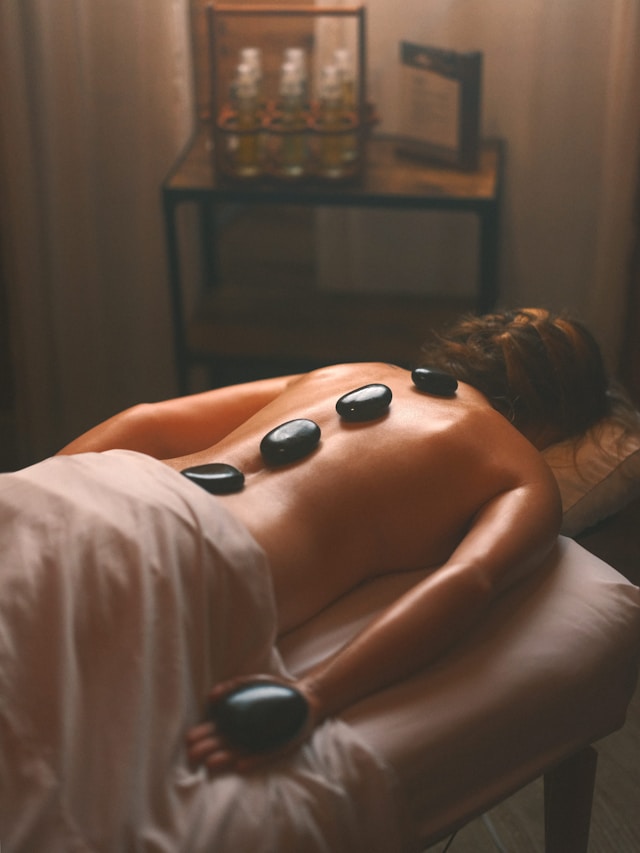
Why Everyone Deserves a Full Body Massage
Feeling tense, drained, or simply overwhelmed by your to-do list? You’re not alone. Many people juggle busy schedules, desk jobs, workouts, and personal commitments, leaving their bodies and minds longing for relief. But there’s a simple, time-honored remedy that far too many overlook or treat as an occasional luxury— the full body massage.
This post digs into the real benefits of full body massages, looks at the science behind why your entire system reaps rewards, and helps you decide how incorporating massage into your wellness routine can lead to a happier, healthier life. Whether you’re a fitness enthusiast, a remote worker glued to your chair, or just someone who wants to feel better in their own skin, you’ll find actionable tips and real-life inspiration below.
The Power of Touch Understanding Full Body Massage
What Happens During a Full Body Massage
A full body massage is much more than a quick rub on the shoulders. Professional therapists target large muscle groups and finer points from head to toe. Usually, the session starts with the back, continues to the legs, arms, hands, feet, shoulders, neck, and often the scalp. Therapists use various techniques from long, soothing strokes (effleurage) to deeper, targeted kneading that addresses stubborn knots. The right pressure and rhythm encourage your body to release tension and enter a state of calm.
Why It’s More Than Just Relaxation
While relaxation is the most obvious benefit, massage therapy provides far deeper rewards. Multiple studies highlight that structured touch can lower the stress hormone cortisol, boost serotonin and dopamine, and ease physical discomforts. This unique combination makes massage a powerful tool for promoting overall wellness.
Surprising Benefits That Make Full Body Massage Essential
1. Stress Relief That Lasts
Chronic stress is a root cause for countless modern ailments, from headaches to digestive troubles. Massages work by activating your parasympathetic nervous system—your body’s natural “rest and digest” mode. Within minutes, breath deepens, heart rate slows, and your mind drifts away from life’s worries. Ongoing sessions have been linked to:
- Reduced anxiety
- Lower blood pressure
- Improved quality of sleep
2. Better Flexibility and Reduced Muscle Pain
Muscles and fascia (the thin covering over muscle tissue) can stiffen with inactivity or repetitive use. Full body massage uses specific strokes and stretching techniques to release tightness and break up adhesions. Regular massage sessions can lead to:
- Fewer sports injuries and muscle cramps
- Faster recovery after workouts
- Improved range of motion in joints and limbs
One study published in the International Journal of Sports Physical Therapy found that athletes who received regular massages reported less muscle soreness and bounced back more quickly after intense training.
3. Immune System Support
You may not automatically link massage to immune health, but evidence says otherwise. By reducing stress hormones and increasing circulation, full body massages encourage the flow of lymphatic fluid, which helps remove toxins and supports the function of white blood cells. Research in the Journal of Alternative and Complementary Medicine suggests that routine massage therapy may even increase the activity of natural killer cells, vital for fighting off illness.
4. Improved Circulation and Heart Health
Every stroke during a full body massage gently stimulates blood flow. Better circulation not only means more oxygen and nutrients reach your cells, but it also helps the body manage inflammation and flush out metabolic waste more efficiently. Over time, this can have a real-world impact:
- Lower risk of swelling in the limbs
- Balanced blood pressure levels
- Reduced fatigue and heaviness in arms and legs
Massages, especially with techniques like Swedish or deep tissue, have been linked to temporary drops in blood pressure and improved vascular function.
5. Enhanced Mood and Mental Health
A nurturing touch goes a long way in lifting spirits. Beyond stress reduction, a full body massage releases neurochemicals associated with happiness and calm. For individuals experiencing depression, anxiety, or mood swings, this natural boost is invaluable. Clinical trials have shown that regular massage therapy enhances emotional regulation and promotes a positive outlook.
6. Pain Relief Without Pills
Chronic pain sufferers often seek relief in medication—but what if your solution could be found on a massage table? Multiple pain conditions, including tension headaches, low back pain, arthritis, and fibromyalgia respond positively to full body massage. By relaxing tense muscles, improving posture, and fostering body awareness, massages can diminish discomfort with no side effects.
7. Sleep Like You Mean It
Are you tossing and turning at night? Research consistently shows that massage recipients enjoy better sleep quality. The relaxing effects decrease the time to fall asleep, lengthen REM cycles, and help regulate circadian rhythms. Better sleep, of course, leads to improved focus, immune function, and mood.
Full Body Massage or Targeted Treatment What’s Right for You
While both have their place, a full body massage offers a holistic approach that’s hard to beat. Targeted massage (like just the neck or back) may offer fast relief for problem spots, but symptoms often shift as the body compensates for tension in one area by recruiting others. A full body approach addresses imbalances everywhere, ensuring you walk away with a lighter step and a smoother stride.
The Science Speaks The Evidence Behind Full Body Massage
- A 2018 review in the journal Pain Medicine found that massage therapy consistently reduced pain and improved quality of life across a variety of chronic conditions.
- The American Massage Therapy Association cites studies showing measurable decreases in stress, anxiety, and blood pressure, even after a single session.
- Clinical data from the Touch Research Institute at the University of Miami reveals that massage increases hormone levels that promote relaxation while decreasing those associated with stress.
Making Massage Part of Your Wellness Routine
How Often Should You Get a Full Body Massage
There’s no universal answer. For stress-based concerns, once or twice a month is a good baseline. For chronic pain or athletic recovery, weekly sessions may deliver optimal results. Listen to your body; frequency can be adjusted as your needs change.
Budget-Friendly Options
Think massages are only for spa days? Think again. Many massage schools offer affordable rates from supervised students. Some workplaces and gyms now include massage therapy as a wellness perk. Even investing in simple self-massage tools (like foam rollers or massage balls) can deliver some benefits at home.
How to Choose the Right Therapist
- Look for licensed, certified massage therapists with positive reviews.
- Communicate openly about your comfort level, areas of pain or tension, and any medical conditions.
- Try different modalities—from Swedish to deep tissue—to find what resonates with you.
Unlock the Power of Wellness Through Massage
Treating yourself to a full body massage isn’t an indulgence; it’s an easy, evidence-based way to take charge of your health. You deserve to experience less pain, better moods, and a more resilient body. If you’ve been putting off that first appointment, consider this your sign to prioritize your own rejuvenation.
The next time stress, aches, or simply routine fatigue set in, remember there’s a gentle, restorative answer waiting for you. Book a session with a reputable massage therapist, ask about a style that fits your needs, and see how even one full body massage can have a lasting positive impact.
Your body and mind will thank you for it.
Leave a Reply
You must be logged in to post a comment.